Skilled support for complex needs. Care that still feels personal.
High Intensity Daily Personal Activities support people whose disability-related health needs require more skilled, experienced and participant-specific assistance. Safety matters — and so do dignity, communication, choice and the routines that make life feel like your own.


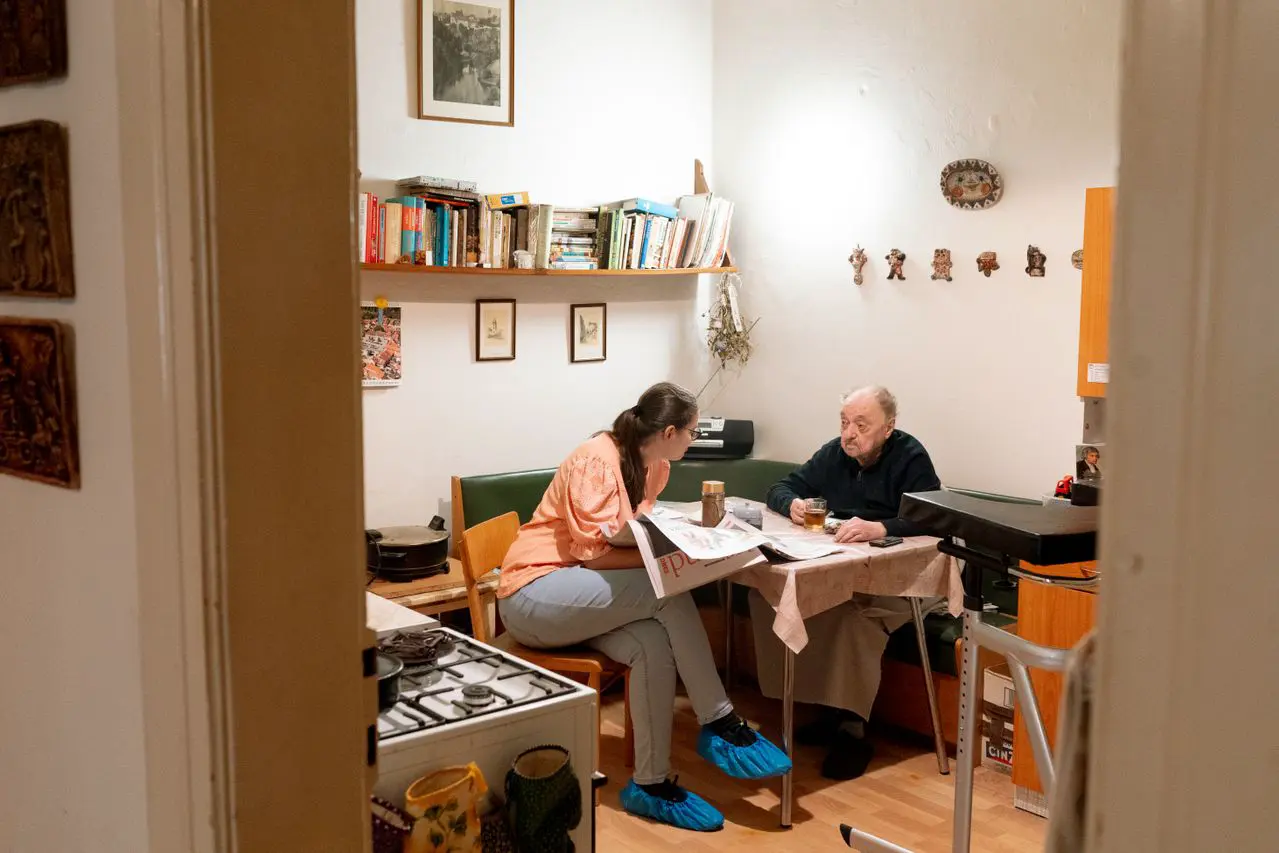
The NDIS Commission identifies eight High Intensity Daily Personal Activity support areas, each with specific safety, training and participant-focused expectations.
More complex support needs — with the person still at the centre.
High Intensity Daily Personal Activities are NDIS supports for participants with complex disability-related health needs where the task requires a worker with additional skills, knowledge or experience.
The NDIS Commission's Practice Standards and High Intensity Support Skills Descriptors focus on safe, competent support that is guided by the participant's individual plan, preferences, routines, risks and relevant health-professional guidance.
High intensity support may be relevant when a daily task carries greater complexity or risk.
The label is about the support task — not the person. A participant may use a mix of standard and high-intensity supports at different times, depending on what is being done and what their approved supports require.
The task involves complex disability-related health support
The participant may need assistance with a specific health-related support that is part of everyday life and linked to their disability.
There are detailed risks, equipment or escalation steps
Safe delivery may depend on a current support plan, specific equipment, monitoring, incident response and clear emergency procedures.
Workers need participant-specific training and competency
The worker's skills need to match the support being delivered, including the person's individual method, preferences and risk-management requirements.
Before support starts, we confirm the current support requirements, relevant plans and whether the required worker capability and training arrangements are in place for the specific task.
Different needs require different skills, plans and safeguards.
The NDIS Commission identifies eight formal High Intensity Daily Personal Activity support areas. We have grouped them below to make the information easier to understand.

Nutrition & swallowing support
This can include enteral feeding and management and severe dysphagia management, delivered in line with the participant's current plan, preferences and relevant clinical guidance.
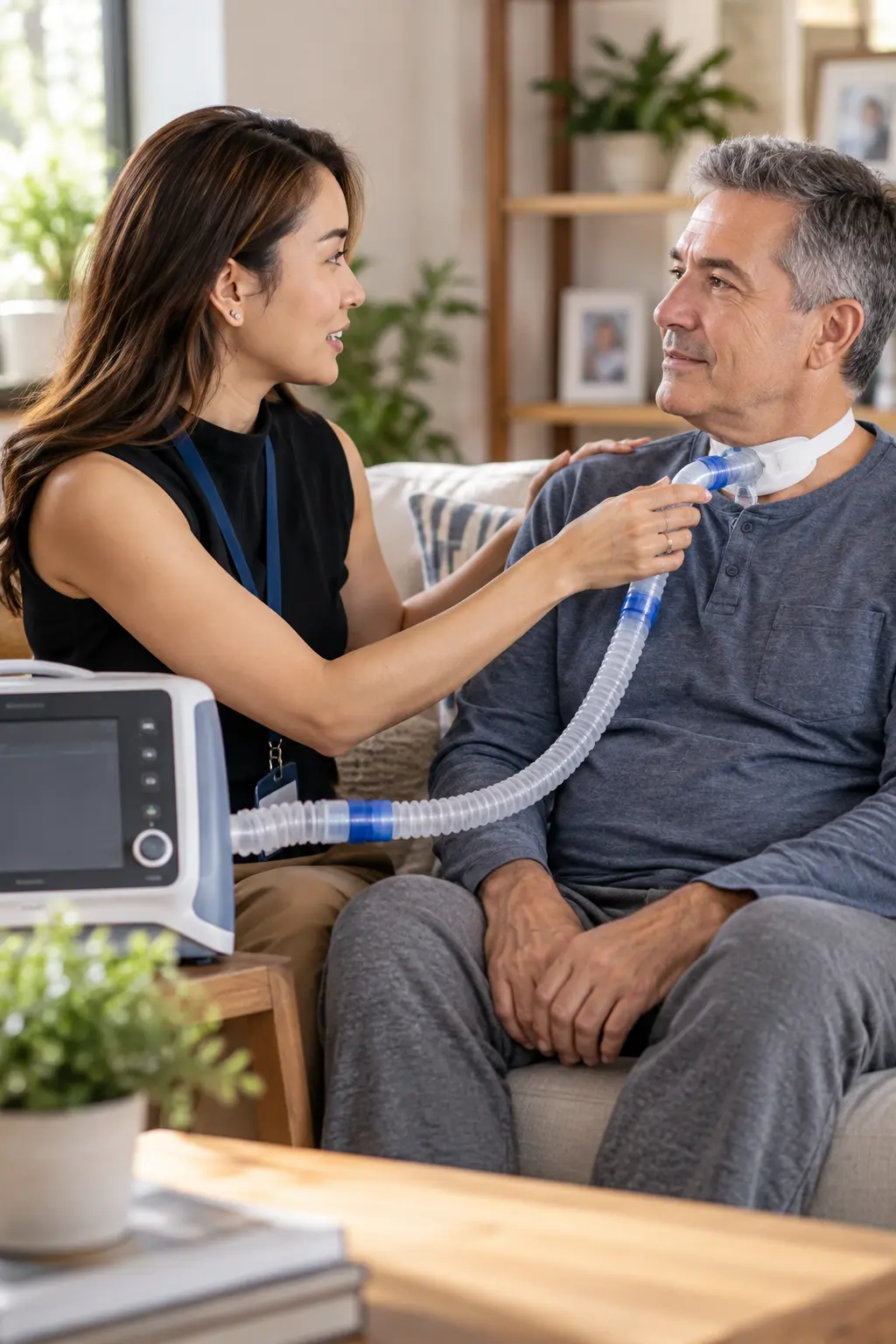
Airway & breathing support
This can include tracheostomy management and ventilator management, with clear participant-specific procedures, worker training and escalation requirements.
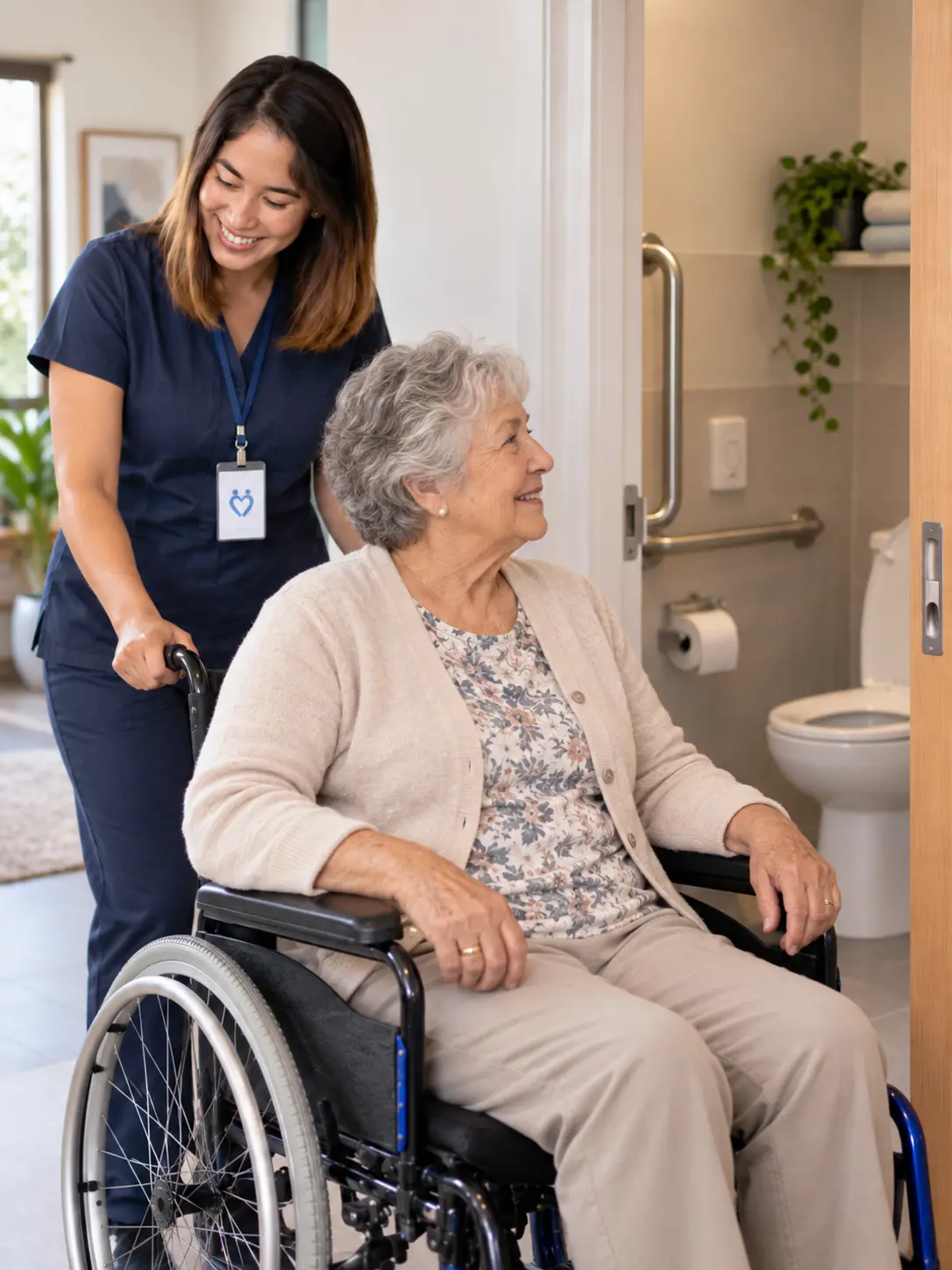
Bowel & catheter support
This can include complex bowel care and urinary catheter management, provided with privacy, dignity and careful attention to the person's individual routine and support plan.
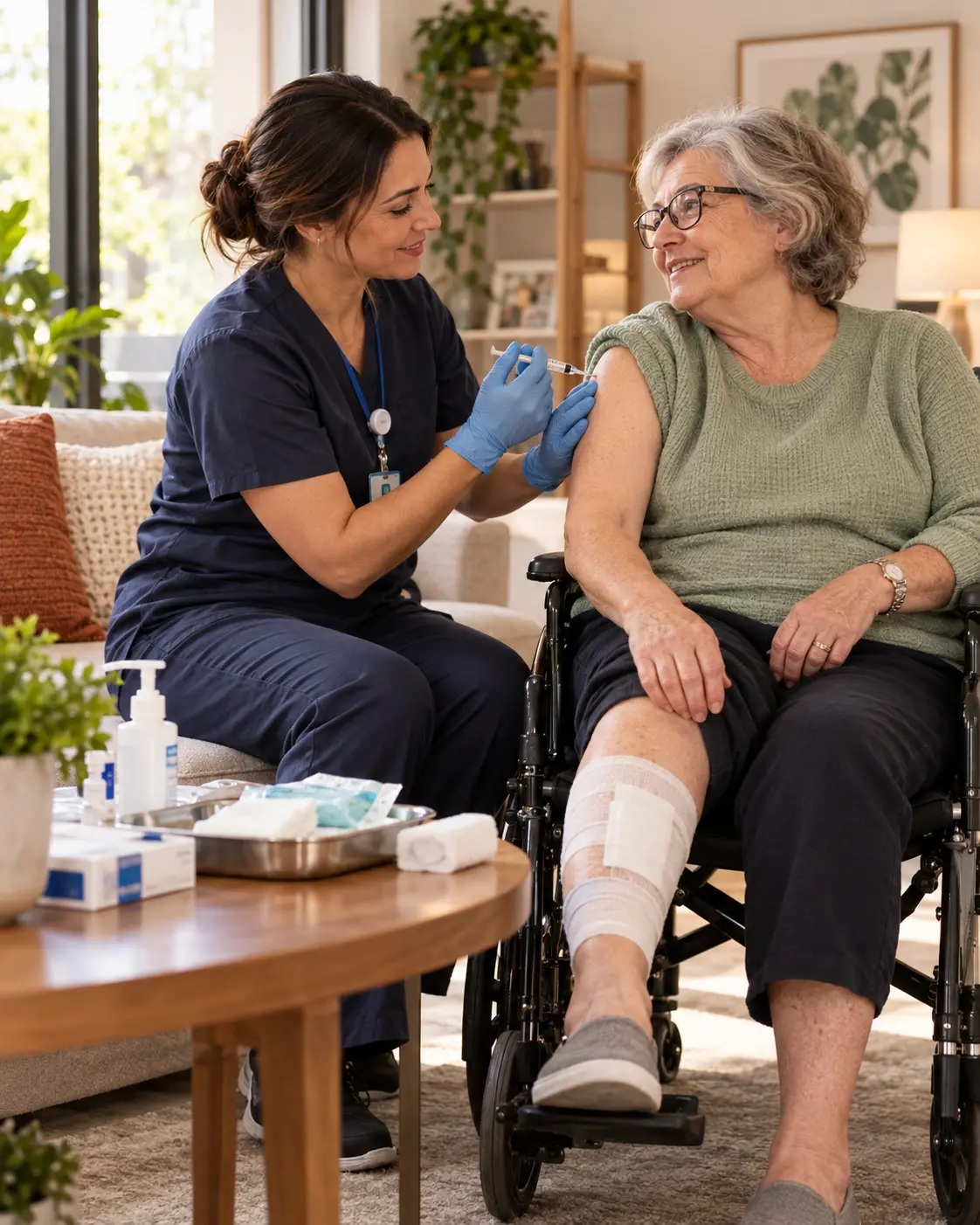
Injections & complex wound support
This can include subcutaneous injections and complex wound management, where current instructions, training, documentation and escalation steps are essential.
The eight official HIDPA support areas are: complex bowel care; enteral feeding and management; severe dysphagia management; tracheostomy management; urinary catheter management; ventilator management; subcutaneous injections; and complex wound management.
High-intensity support should protect safety, dignity and choice together.
These supports can be intensely personal and carry significant risk. Good support should therefore be technically competent while still respecting the person's privacy, communication, routines, decisions and preferences.
The method, equipment, risks, emergency steps and escalation process should be clear and relevant to your individual needs.
Training and competency should relate to the exact support being provided and your participant-specific requirements.
Workers should understand what to observe, document and report when something changes or a concern arises.
Risk management should not erase your choices, communication preferences, privacy or the routines that matter to you.

We confirm the details before anyone begins the task.
High-intensity support needs a careful start. The exact onboarding steps depend on the support required, but safety begins with current information, clear roles and the right worker capability.
Tell us which high-intensity support is required.
A participant, family member, nominee, support coordinator or other authorised contact can begin the conversation with the information available.
We review the current plan and support requirements.
We consider the participant-specific method, routines, equipment, risks, emergency steps, escalation process and relevant health-professional guidance.
We confirm worker capability and training requirements.
Before the support is delivered, the worker needs the skills, knowledge and participant-specific training appropriate to the task and the person's needs.
Support is monitored as needs change.
Communication, documentation, escalation and timely review help keep the support aligned with current needs, plans and professional recommendations.
Prepared workers. Clear plans. Calm, consistent support.
High-intensity supports are among the higher-risk supports in the NDIS. Quality comes from matching the task to the right plan, worker capability, training, communication and escalation arrangements.
Participant-specific plans guide practice.
Support should follow the current plan and relevant professional guidance for the person's actual needs, equipment, routines and preferences.
Training is relevant to the exact task.
Workers should have the skills and knowledge expected for the high-intensity activity and the specific participant they are supporting.
Incidents and changes have a clear response.
Everyone involved should understand what needs to be documented, who to contact, when to escalate and what to do if an emergency occurs.
Need to check whether a particular high-intensity support is within our current scope? Start with a conversation and we can clarify the next step and the information we need.
Talk With Our TeamComplex support still starts with a clear, local conversation.
AccessAbility Support Services is based at 31 Cassidy Crescent, Bridgeman Downs QLD 4035. Contact our team to ask whether the specific High Intensity Daily Personal Activity support you need is currently available in your area and within our service scope.
Clear answers help complex support feel less overwhelming.
High-intensity support is very individual. These are some of the common questions participants, families and support coordinators may want answered before getting started.
Ask a different question →They are NDIS supports for participants with complex disability-related health needs where the support task requires a worker with additional skills, knowledge or experience. The NDIS Commission has specific Practice Standards and High Intensity Support Skills Descriptors for these supports.
The NDIS Commission identifies eight areas: complex bowel care; enteral feeding and management; severe dysphagia management; tracheostomy management; urinary catheter management; ventilator management; subcutaneous injections; and complex wound management.
Standard personal care may involve everyday assistance such as showering, dressing or routine daily tasks. High-intensity support involves a more complex task with additional safety, training and competency requirements. A participant may receive both types of support at different times.
Not necessarily. NDIS Commission guidance allows some high-intensity supports to be delivered by a competent worker who is not a health practitioner, provided the relevant Practice Standards, participant-specific training and skills expectations are met. The exact arrangement depends on the support and current clinical guidance.
This may include the participant's current support plan, relevant health-professional instructions, equipment details, routines and preferences, known risks, emergency steps, escalation contacts, medication or treatment instructions where relevant, and any required training information.
It can be delivered in home and living settings when it is part of the participant's approved supports and the provider and workers are appropriately able to deliver the specific task. The exact arrangement depends on the participant's plan, support needs and service agreement.
High-intensity disability support is not a substitute for emergency medical care. Participant-specific plans should explain escalation and emergency steps. If there is an immediate life-threatening emergency in Australia, call 000.
Tell us what the person needs help with — we'll start with the essentials.
You do not need to send detailed clinical information through the website. A short description of the support is enough for us to respond and arrange a safer way to discuss plans, training and other sensitive details if needed.