More connection. More ways to belong.
Community Participation support can help you get involved in the places, activities and relationships that matter to you — with the right level of assistance to build confidence, independence and genuine connection.
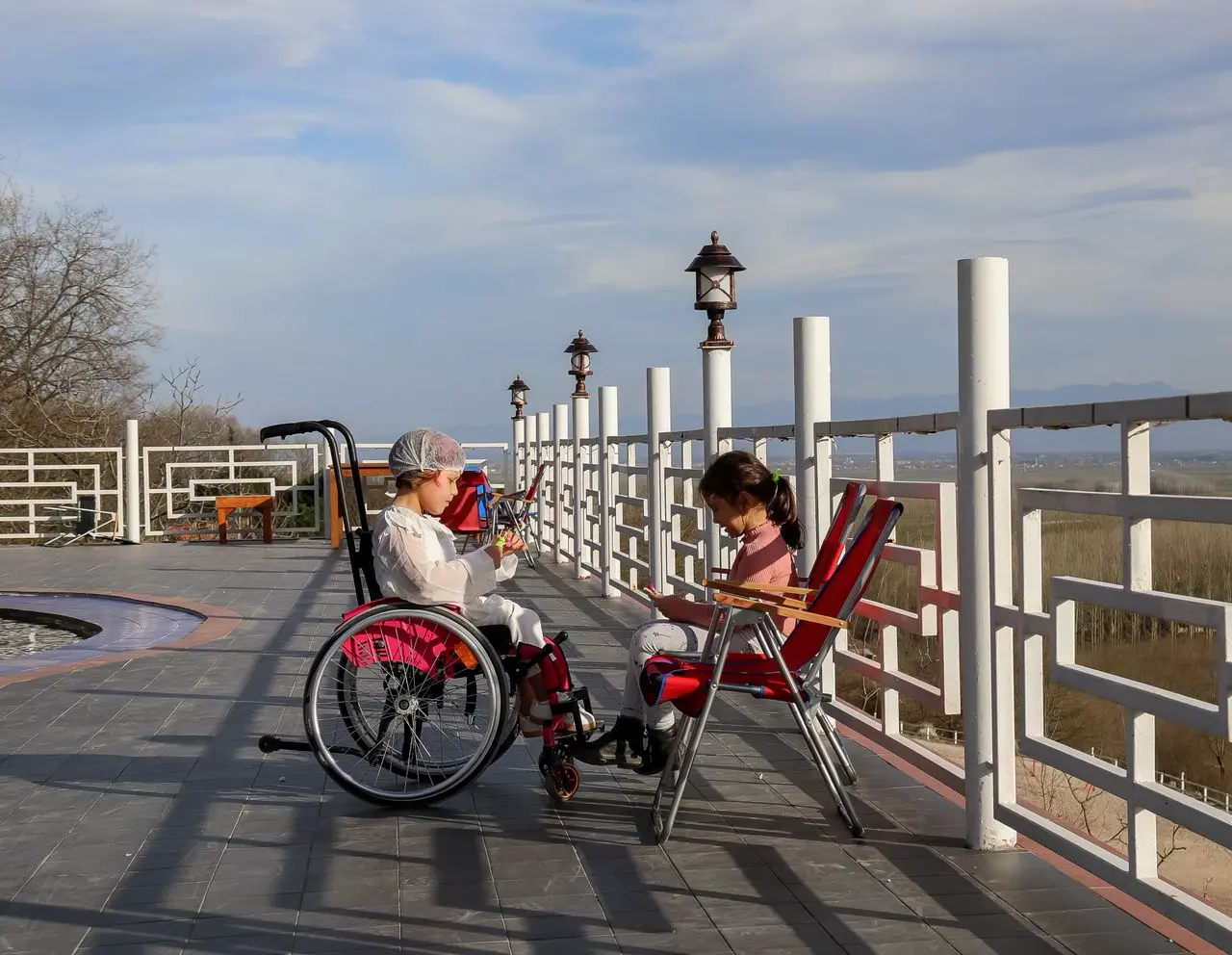
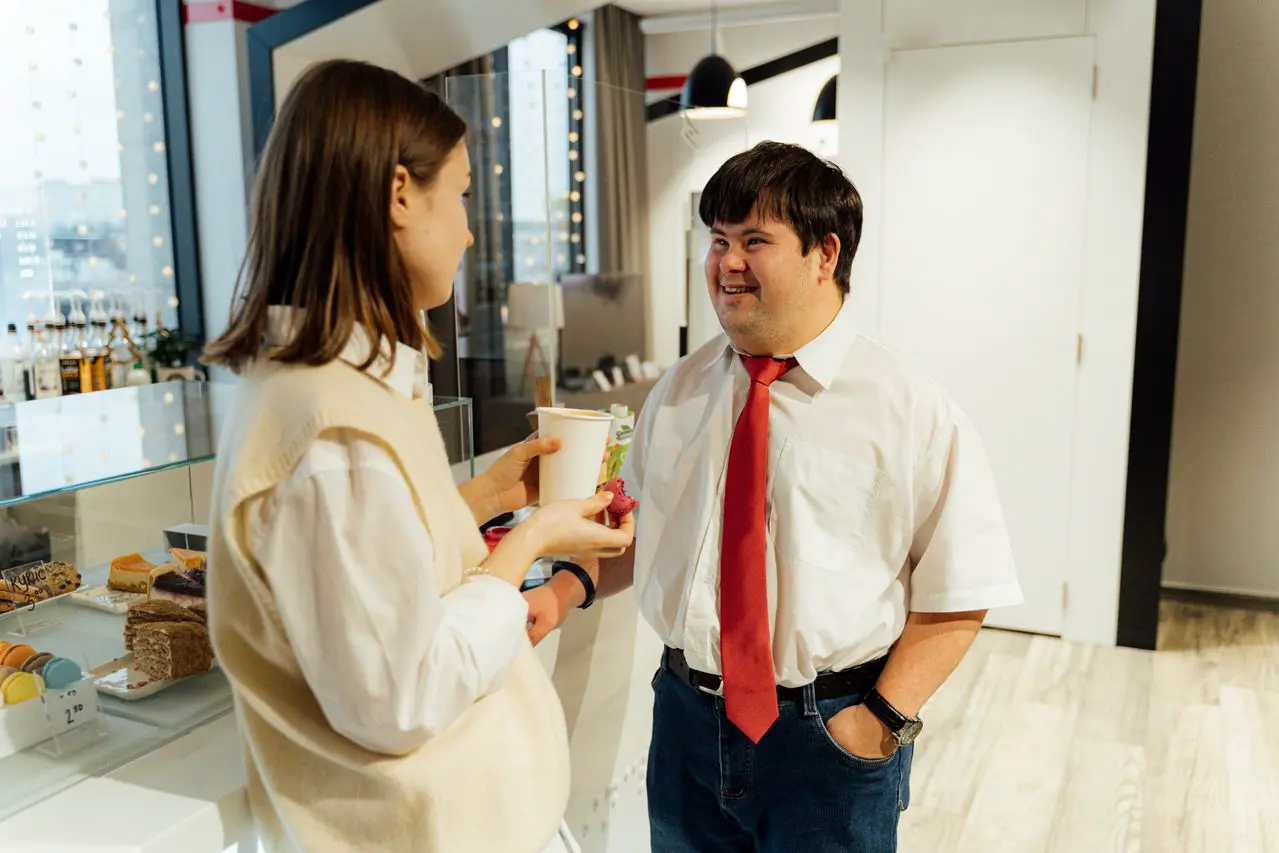
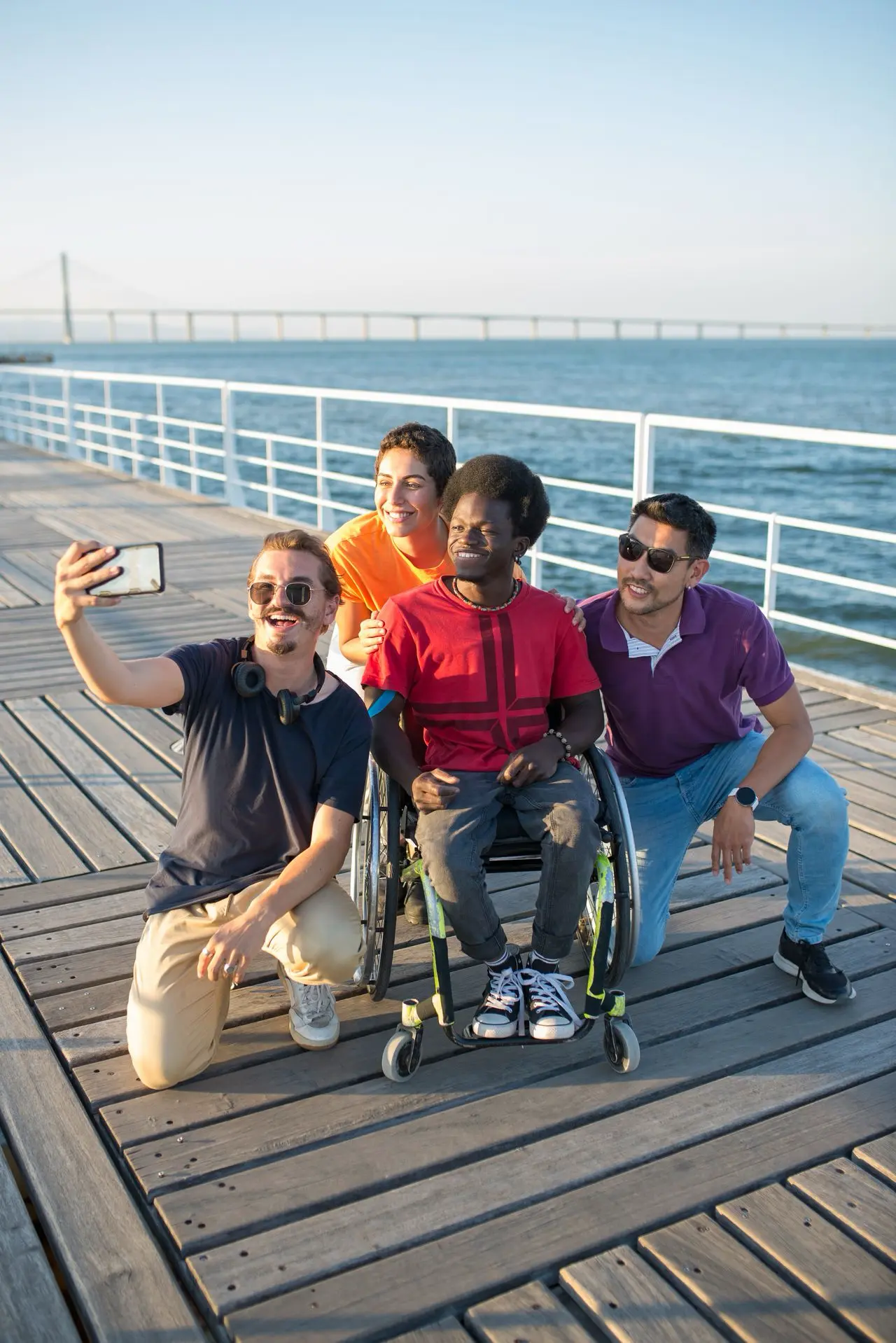
Community participation is about more than simply going out. It can support belonging, relationships, confidence, skills and greater independence in everyday community life.
Support to take part — not just support to get there.
NDIS community participation supports can help people with disability take part in social, recreational and community activities when disability-related assistance is needed. Depending on the participant's plan, support may focus on participating now, building skills for greater independence, or both.
The strongest support starts with the person's own interests and goals. That might mean joining a local group, seeing friends, learning to use community facilities, attending recreation or cultural activities, or gradually building confidence in unfamiliar places.
Community support can help when the barriers are getting in the way of the life you want.
Everyone's idea of community life is different. The goal is not to fill a calendar. It is to help you take part in activities, places and relationships that are genuinely meaningful to you.
You want more social connection
Support can help you maintain relationships, meet new people or take part in groups and activities where connection can grow naturally.
Getting out feels harder than it should
Planning, communication, accessibility, confidence or disability-related support needs can make community activities difficult without the right assistance.
You want to build skills and independence
Support can focus on practising social, communication or practical community skills so you can do more with increasing confidence over time.
Community Participation is not one set program. The right activities, level of support and frequency depend on your goals, disability-related needs, NDIS plan and what is available in your local community.
Support for the places, people and activities that make life feel connected.
Examples vary from person to person. Support should be linked to your goals, interests and approved NDIS supports rather than a one-size-fits-all activity list.
Social outings & everyday community life
Support to enjoy cafes, shopping, libraries, local events, visits with friends or other everyday activities that matter to you.
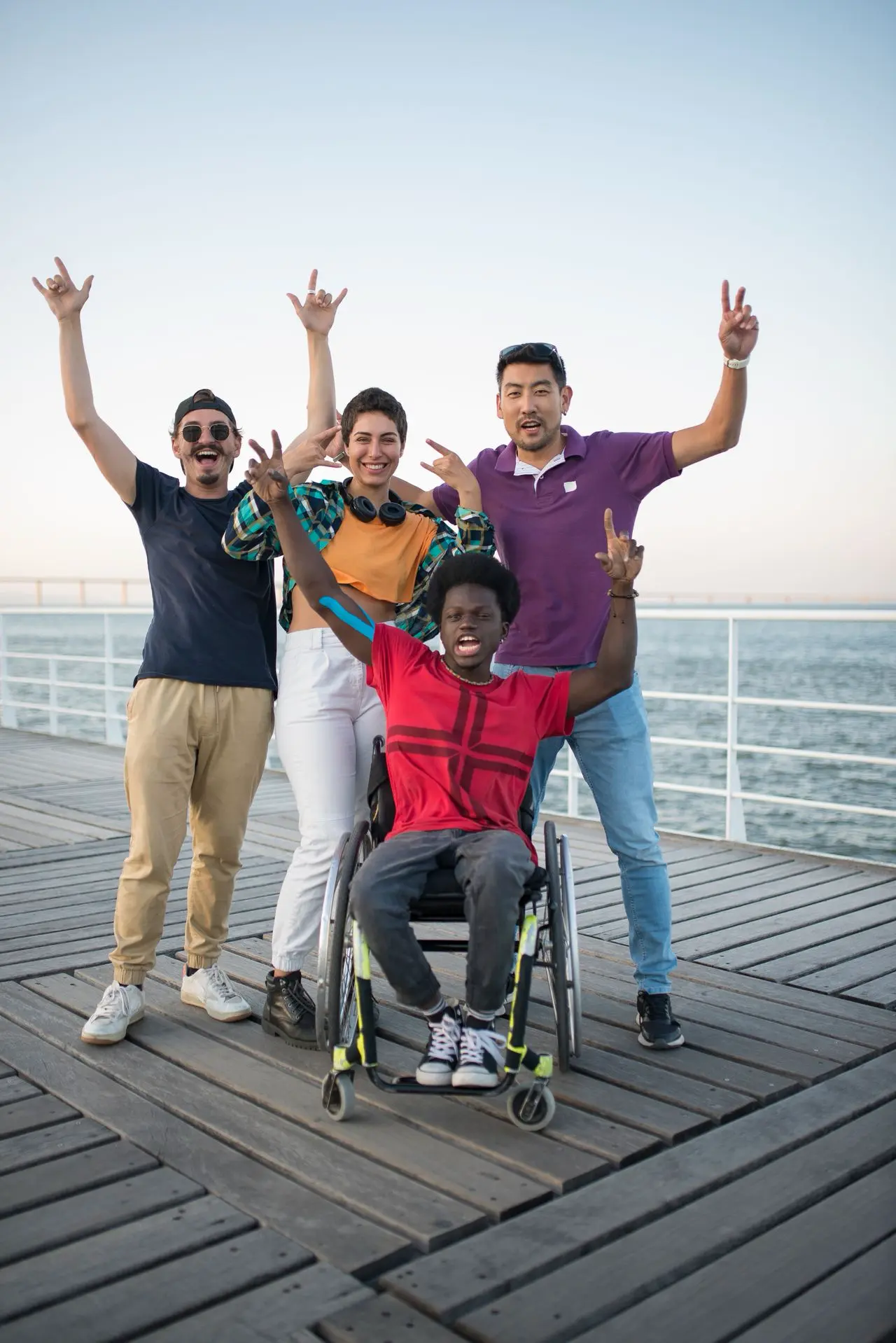
Clubs, groups & recreation
Assistance to explore and participate in hobby groups, sport, outdoor recreation, creative activities or other interests in the community.
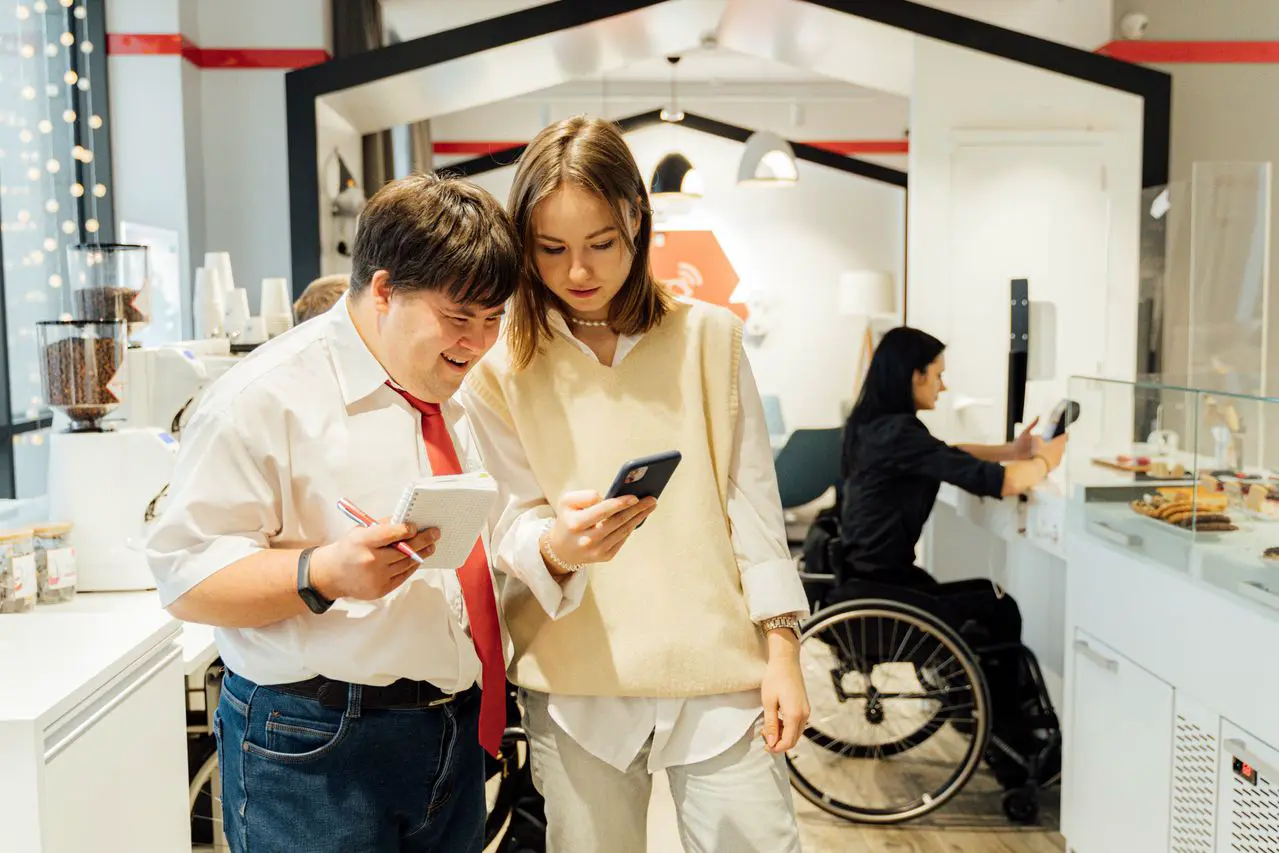
Community skills & confidence
Practising communication, planning an outing, navigating familiar places, making choices and building confidence to participate more independently.
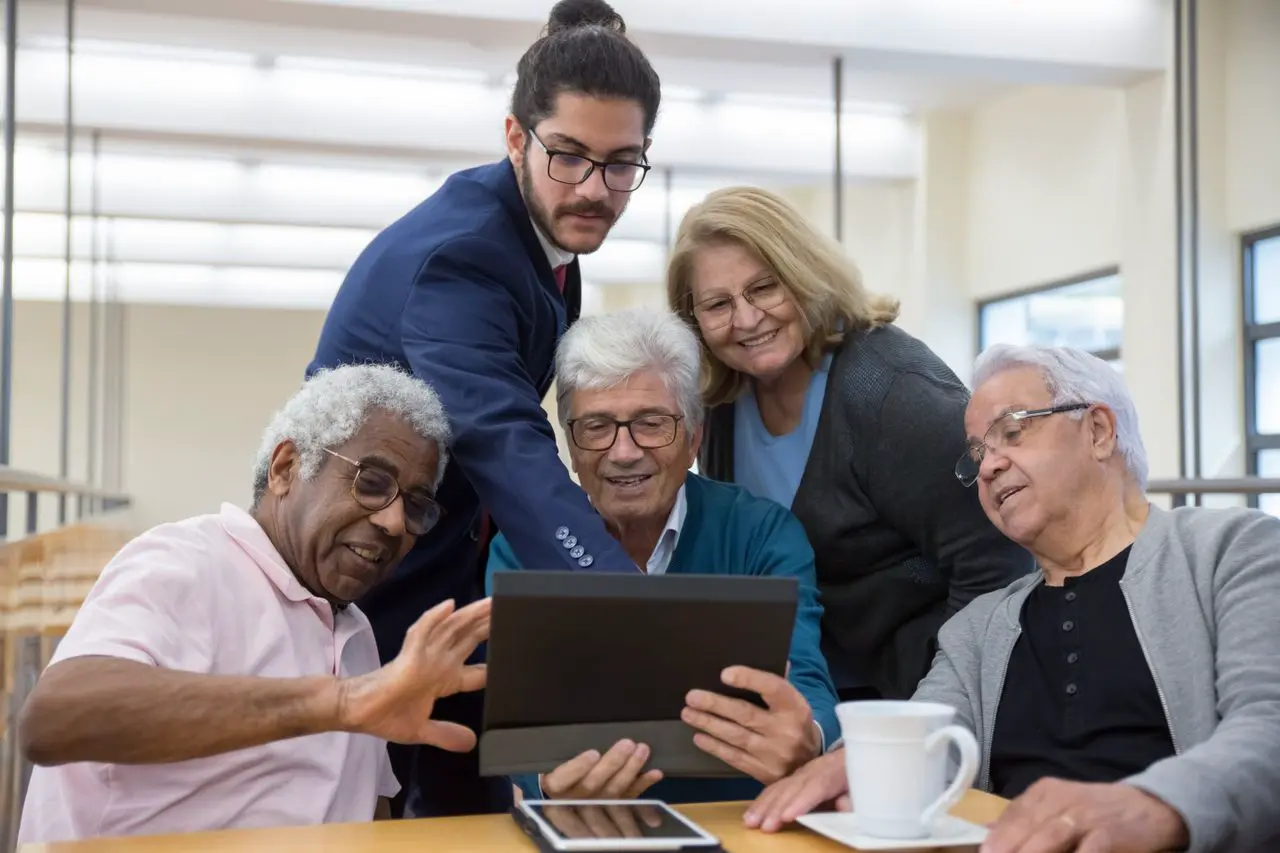
Relationships & social networks
Support that helps you maintain friendships, meet people with shared interests and build a stronger sense of belonging in your local community.
Good participation support protects choice, confidence and belonging.
Community participation should never feel like being taken somewhere simply because it is available. The activity, pace and support should make sense for you.
Support should start with what you enjoy, what you want to try and the relationships or goals that matter to you.
You should be involved in decisions about where you go, who supports you, how support is provided and what you want to work towards.
Where appropriate, assistance can step back as your skills, familiarity and confidence grow.
Mobility, communication, sensory needs, transport, health considerations and other support requirements should be understood before the activity begins.
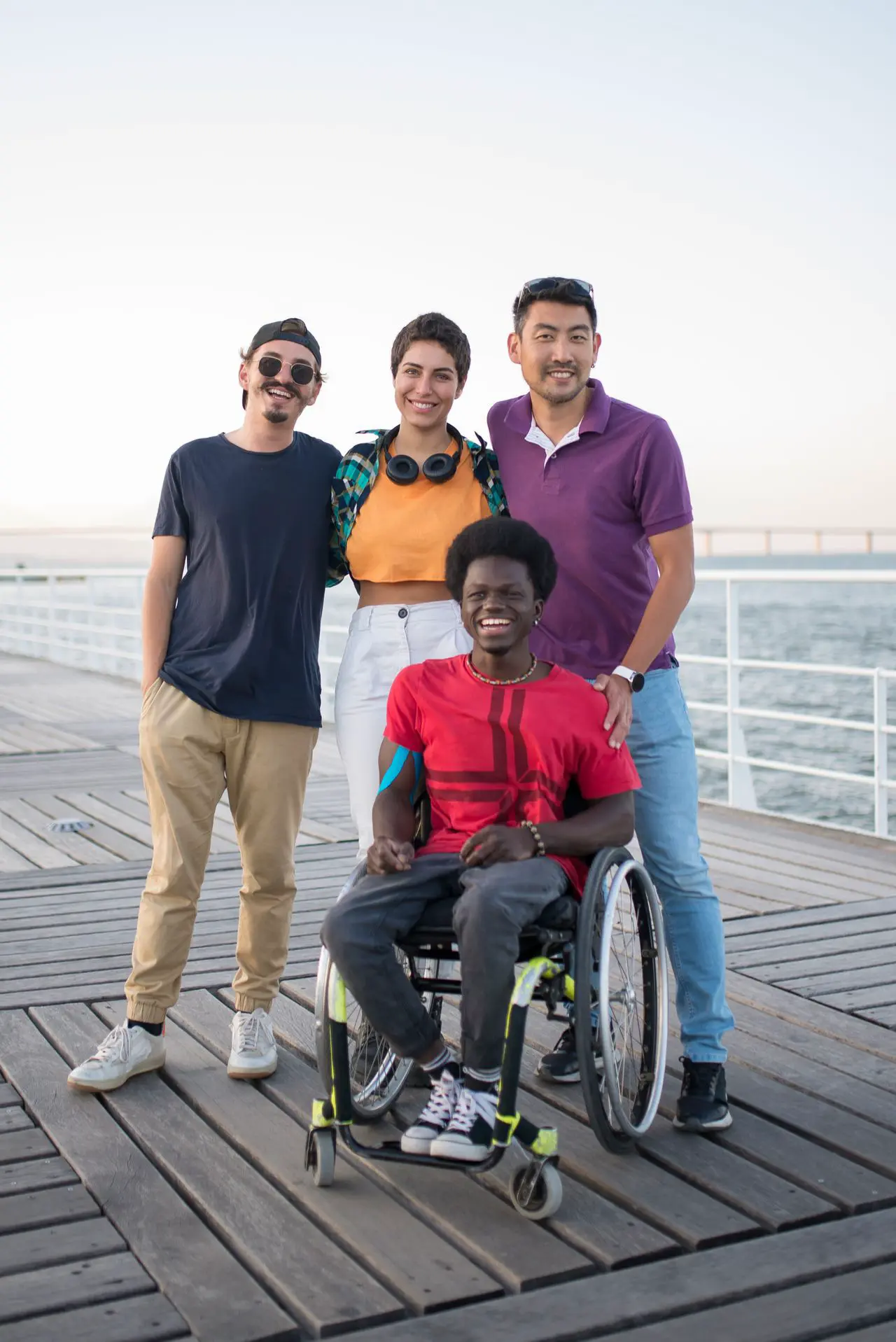
Start with what you enjoy. Then we work out the support around it.
You do not need a ready-made list of activities. We can begin with your interests, current routines, goals and the barriers that make participation difficult.
Tell us what you want more of in your life.
Friends, hobbies, outdoor time, local groups, learning something new or simply feeling more confident getting out — start with what matters to you.
We identify what makes participation easier or harder.
We consider communication, mobility, sensory needs, confidence, routines, risks, accessibility and the level of worker assistance required.
We agree on support that fits your goals and plan.
If we are the right fit, we clarify activities, expectations, worker support, practical arrangements and how progress will be reviewed.
Participation can change as your confidence grows.
We keep listening and adapting so support remains meaningful rather than becoming a routine that no longer serves your goals.
Access works best when the details are understood first.
Some community activities need extra preparation because of mobility, communication, sensory, behavioural, health or other support needs. Good planning helps make participation safer, calmer and more enjoyable.
The activity should match the person.
We consider interests, goals, communication preferences, accessibility and relevant support plans rather than assuming the same activity works for everyone.
The worker should match the support need.
Skills, experience, communication style and any required training matter — especially where support needs are more complex or high intensity.
Practical barriers should be planned for.
Transport, venue access, mobility, sensory environments, timing and safety considerations can all affect whether an outing feels genuinely accessible.
Not sure whether a particular activity or community support is within our current scope? Start with a conversation and tell us what you would like to do.
Talk With Our TeamCommunity support should connect with the places around you.
AccessAbility Support Services is based at 31 Cassidy Crescent, Bridgeman Downs QLD 4035. Contact our team to ask whether Community Participation support is currently available in your suburb or for the activities you have in mind.
Clear answers can make getting involved feel easier.
Community Participation can look very different from one person to another. These are some common questions before support begins.
Ask a different question →Community Participation refers to disability-related supports that help a participant take part in social, recreational and community life. Depending on the person's plan, support may help them participate in activities now or build the skills and confidence to participate more independently.
Examples may include local groups, cafes, libraries, shopping, sport, outdoor recreation, creative activities, cultural events, visits with friends or other community activities linked to the participant's interests and goals.
Yes, where one-to-one support is appropriate to the person's plan and needs. Some people also participate in group activities. The right approach depends on goals, preferences, required support and the funding available in the participant's plan.
Generally, the ordinary cost of an activity that everyone would pay — such as standard entry fees, memberships or basic recreational equipment — is the participant's responsibility. NDIS funding may cover the disability-related support needed to take part, where this is approved and meets current NDIS rules.
Yes. Capacity-building supports can focus on skills such as communication, social confidence, decision-making and navigating community activities so a participant can increase independence over time.
Yes. Families, nominees, carers and support coordinators can begin the conversation. We still keep the participant's own choices, communication, interests and goals central to planning the support.
Your NDIS plan shows the support budgets and categories available to you. Your my NDIS contact, plan manager or support coordinator can help explain your funding, and our team can discuss whether our service may fit the supports you have been approved to use.
Tell us what you would like to do more of.
You do not need to know the exact NDIS terminology. Tell us about the activities, people or places you would like more support to connect with, and we can start from there.