A home that feels yours. Support that helps you live it.
Supported Independent Living is about having the day-to-day support you need at home while keeping your choices, routines, relationships and goals at the centre of everyday life.


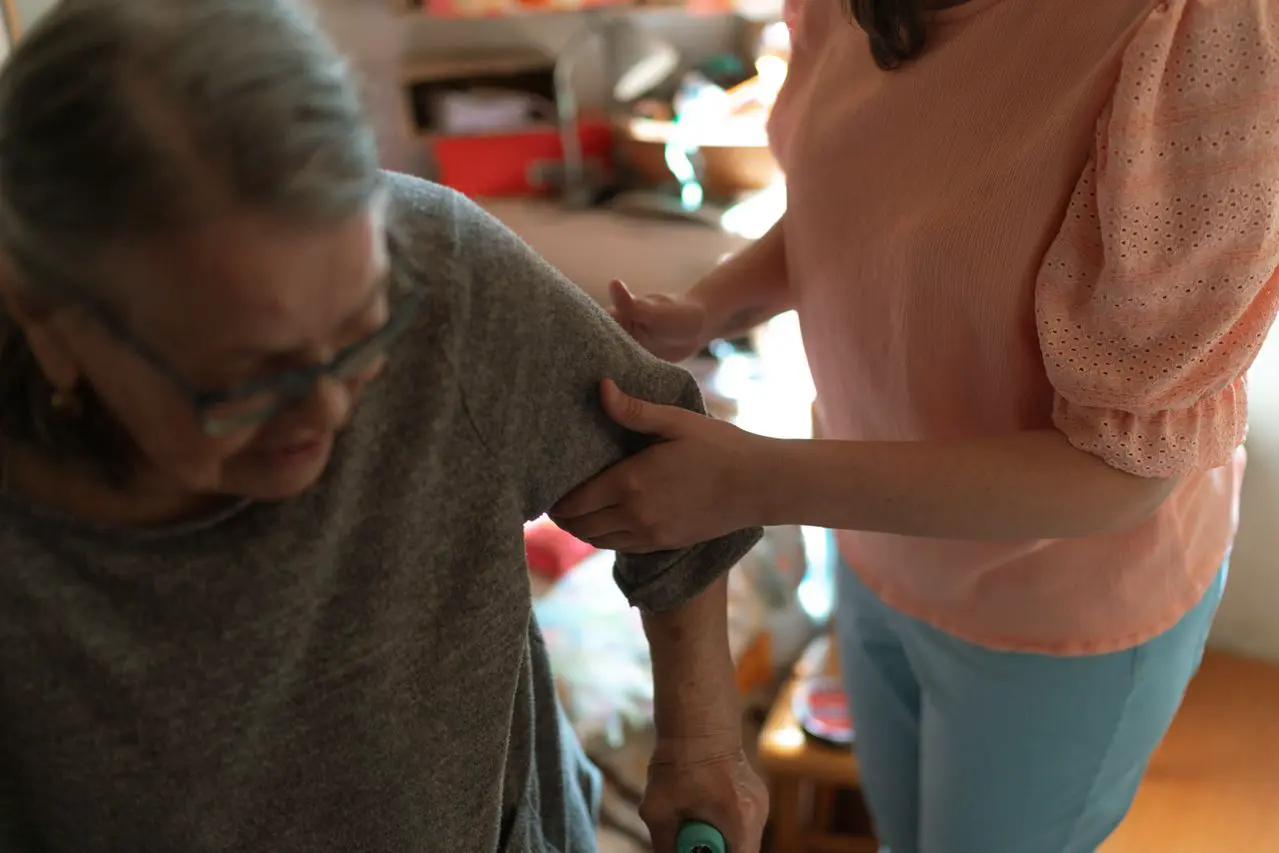
SIL can fund support or supervision across the day and night when this is part of a participant’s approved support needs.
Support in your home — not control over your home.
Supported Independent Living (SIL) is NDIS-funded support for people with higher support needs who require significant help or supervision at home. Depending on the person’s needs, support may be shared with others or provided individually.
The purpose is not to take over everyday life. It is to provide the right level of support so daily routines, personal goals and community life can be safer, more manageable and more independent.
SIL may suit people who need more support across everyday life.
Every situation is different. Funding and eligibility are decided through the NDIS, but these are common signs that a SIL conversation may be worth having.
You need regular support throughout the day
Daily routines may require ongoing assistance, supervision or support to remain safe and manageable.
You want to build greater independence
Support can focus on practising skills, making choices and doing more of everyday life in ways that work for you.
Your support needs are more complex
You may need workers who understand individual support plans, risks, communication needs and professional recommendations.
SIL is generally intended for people with higher support needs. If someone only needs a few hours of support each day or week, another home and living support may be more appropriate.
Support for the parts of daily life that matter to you.
What SIL looks like should be guided by your approved supports, individual needs, preferences and goals. The examples below show the kinds of everyday support a SIL arrangement may include.
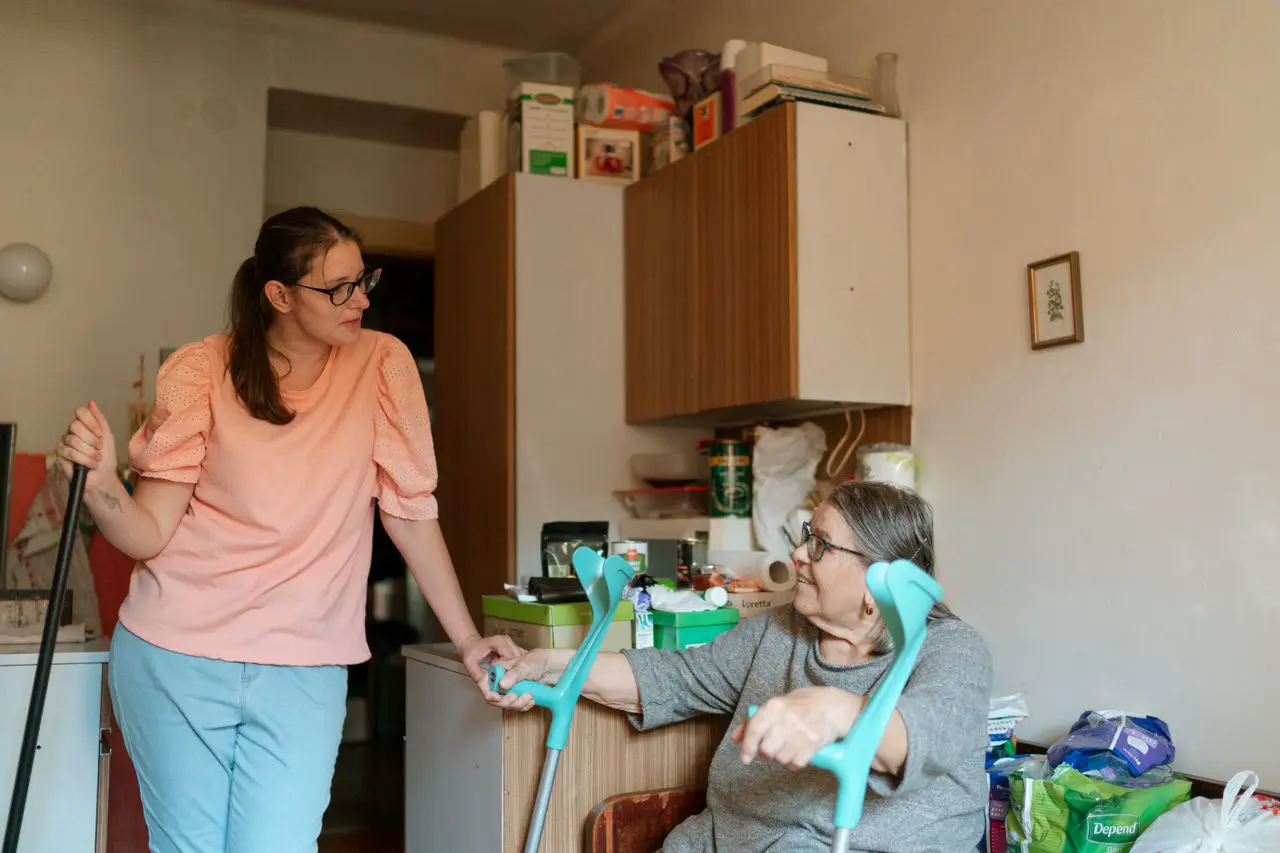
Everyday routines
Support with personal routines, planning the day and completing everyday tasks in ways that respect your preferences.

Household tasks
Practical assistance with meals, household routines and keeping the home environment workable and comfortable.
Mobility & daily assistance
Support can be adapted around mobility, communication and other individual daily-living needs described in your plans.
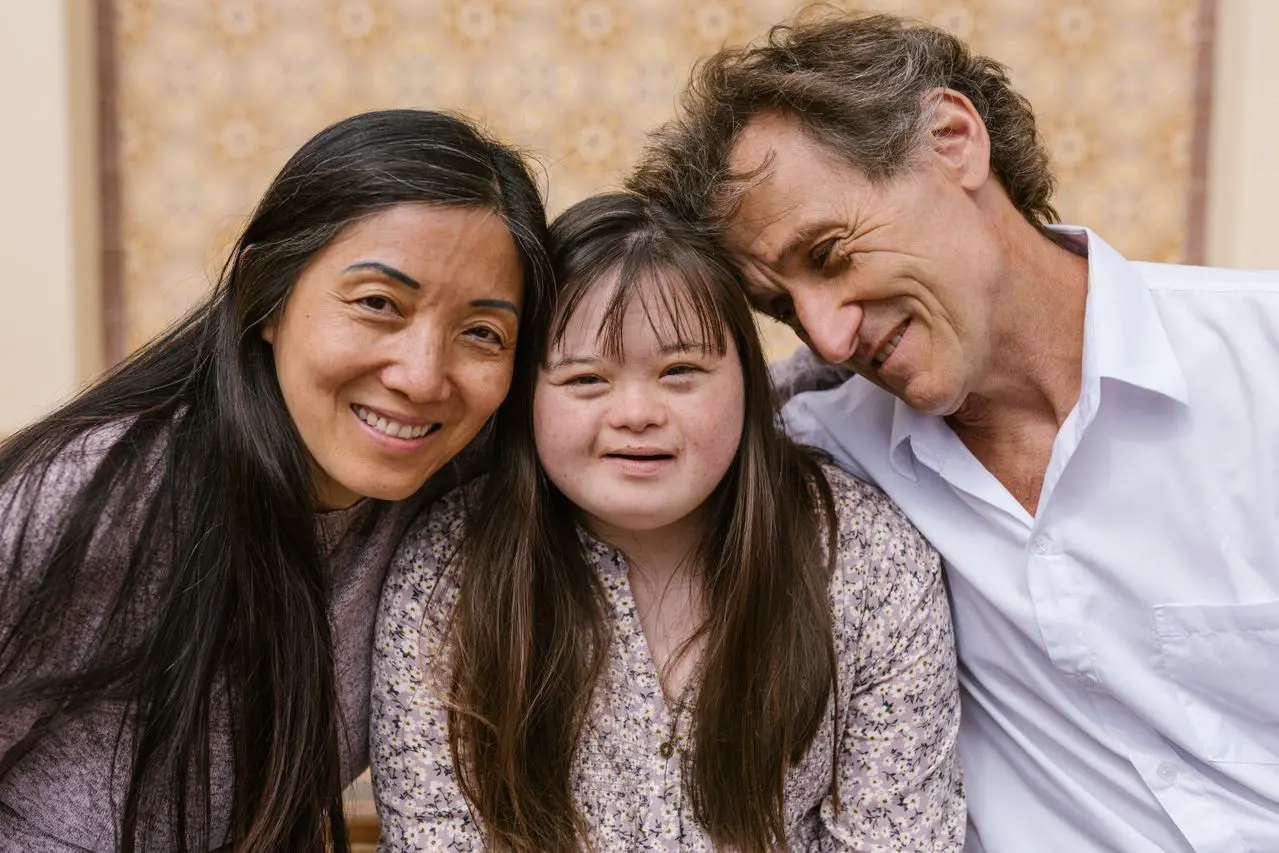
Connection & participation
Support can help make it easier to maintain relationships, take part in community life and pursue activities that matter to you.
Your support arrangement should protect choice, privacy and stability.
A SIL arrangement happens in a person’s home. That means support should respect the fact that home is more than a place where services are delivered.
Tenancy or housing arrangements should be clearly distinguished from the support you receive.
Your routines, communication style, private space and day-to-day choices should be respected.
Information about support, changes and agreements should be explained in a way that works for you.
Feedback, concerns and changing needs should be heard and responded to without losing sight of your rights and dignity.
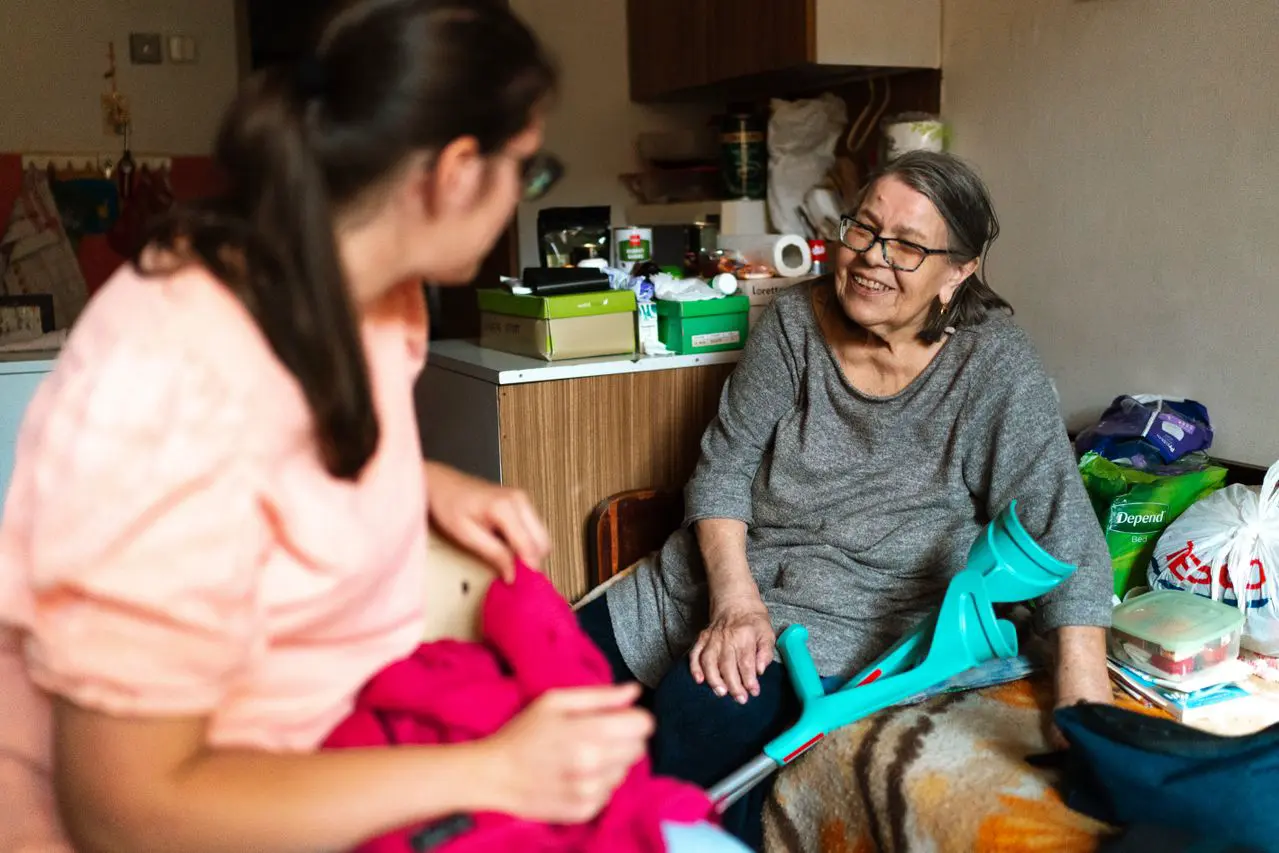
Clear steps. No pressure to know everything yet.
We start by understanding the person, the support requirements and whether AccessAbility is the right fit before moving forward.
Tell us what you need help with.
Share as much or as little as you are comfortable with. A family member, nominee or support coordinator can also contact us.
We learn about the support requirements.
We look at goals, routines, communication needs, support plans, risks and relevant professional recommendations.
We clarify the support approach.
If the fit feels right, we agree on expectations, communication and the practical details needed for safe and consistent support.
Support keeps responding to you.
As needs, goals or circumstances change, support should be reviewed so it remains useful, respectful and safe.
Safety starts with understanding the person properly.
We do not assume every support arrangement is the same. Before confirming support, we consider what skills, safeguards, plans and communication are needed.
Individual plans guide practice.
Support should follow the participant’s current plans, goals, preferences and relevant professional recommendations.
Workers need the right skills.
Where support is more complex or high-intensity, worker capability, clear procedures and appropriate training matter.
Risk is managed without losing dignity.
Safety planning should protect wellbeing while continuing to respect rights, choice and the person’s home life.
Not sure whether your support needs are within our current scope? Start with a conversation and we can clarify the next step.
Talk With Our TeamLocal support should feel easy to reach.
AccessAbility Support Services is based at 31 Cassidy Crescent, Bridgeman Downs QLD 4035. Contact our team to confirm whether SIL support is currently available in your suburb or community.
Clear answers make home and living decisions easier.
You do not need to understand every NDIS term before getting in touch. These are some of the questions people often ask when exploring SIL.
Ask a different question →SIL is NDIS-funded support for people with higher support needs who require significant help or supervision at home. Support can be shared or individual depending on the person’s approved needs and circumstances.
No. SIL is the support delivered in the home. Housing or tenancy arrangements are separate. SDA is a different NDIS support relating to specially designed housing for some participants with very high support needs.
No. SIL funding is for disability-related support or supervision. It does not pay ordinary day-to-day living expenses such as rent, groceries or household bills.
It can be one-to-one in some circumstances, but SIL may also involve shared support. The level and structure of support depend on the participant’s disability support needs and NDIS funding.
Yes. Families, nominees, carers and support coordinators are welcome to start the conversation. We still keep the participant’s preferences, goals and choices central to the process.
AccessAbility supports people with a range of needs. For more complex or high-intensity support, we first review the person’s requirements, plans, risks, professional recommendations and the worker skills needed before confirming whether we are the right fit.
Your NDIS plan and home and living decisions determine what supports are funded. Your support coordinator or NDIS contact can help you understand your plan, and our team can discuss whether our service may fit the support that has been approved.
Tell us what you want everyday life at home to feel like.
You do not need to have the right terminology or every detail ready. Start with the support you need, what matters at home and what you would like to become easier or more independent.