Everyday support. More room to live your way.
Daily Living Support can make everyday routines safer, easier and more manageable while keeping your preferences, pace and independence at the centre of the support you receive.



Assistance with Daily Life sits within NDIS Core Supports and can fund help or supervision with disability-related everyday tasks, depending on the participant's plan.
Help with everyday tasks — without taking over everyday life.
The NDIS describes Assistance with Daily Life as support with everyday activities that helps a participant live as independently as possible. This can include personal care, preparing meals, cleaning and other day-to-day tasks related to disability support needs.
For some people, support may be needed at a particular time of day. For others, it may be a few regular sessions each week. What matters is that the support reflects the person's approved plan, goals, routines, preferences and level of assistance required.
Daily support can be useful when some parts of the day are harder to manage alone.
You do not need to give up independence to receive support. The goal can be to make routines more manageable, build confidence and support you to do more in the way that works for you.
Morning or evening routines need a hand
Support may help with getting ready, personal care, meals or settling into a routine that feels safe and workable.
Household tasks take too much energy
Practical help can make cleaning, laundry, meal preparation and other home routines easier to keep on top of.
You want to build confidence doing more yourself
A support worker can assist, prompt or practise tasks with you rather than automatically doing everything for you.
Daily Living Support is not the same as Supported Independent Living (SIL). Daily Living Support can be more targeted and flexible, while SIL is designed for people with higher support needs who may require support or supervision across much more of the day and night.
Practical support for the things that keep everyday life moving.
The exact support depends on your NDIS plan and agreed service. These are common examples of Assistance with Daily Life.

Personal care & self-care
Assistance with routines such as showering, dressing, grooming or other personal tasks, delivered with privacy, dignity and respect.
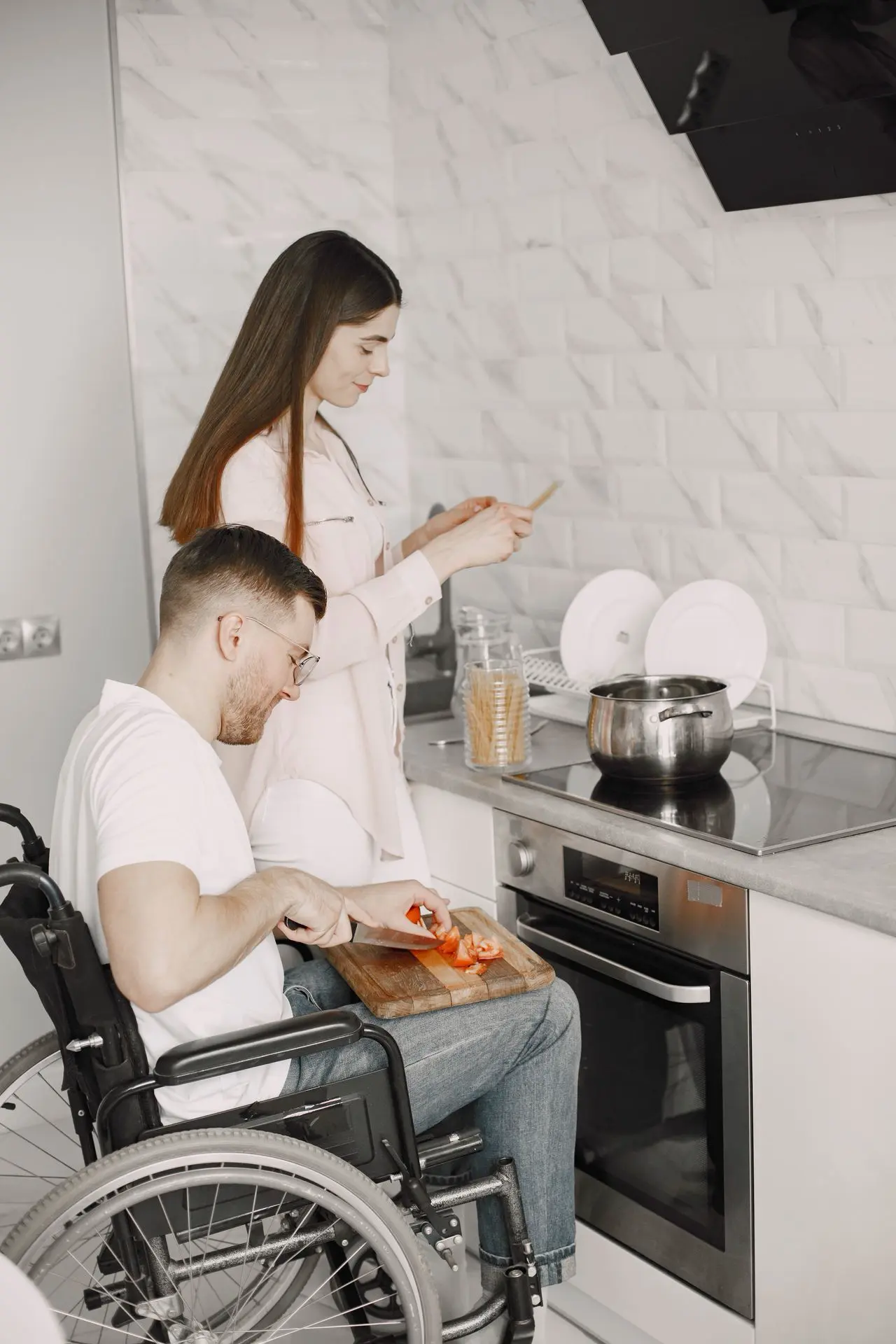
Meals & kitchen routines
Support with meal planning, preparing food, kitchen routines and building confidence with everyday meal preparation where this is part of your approved support.
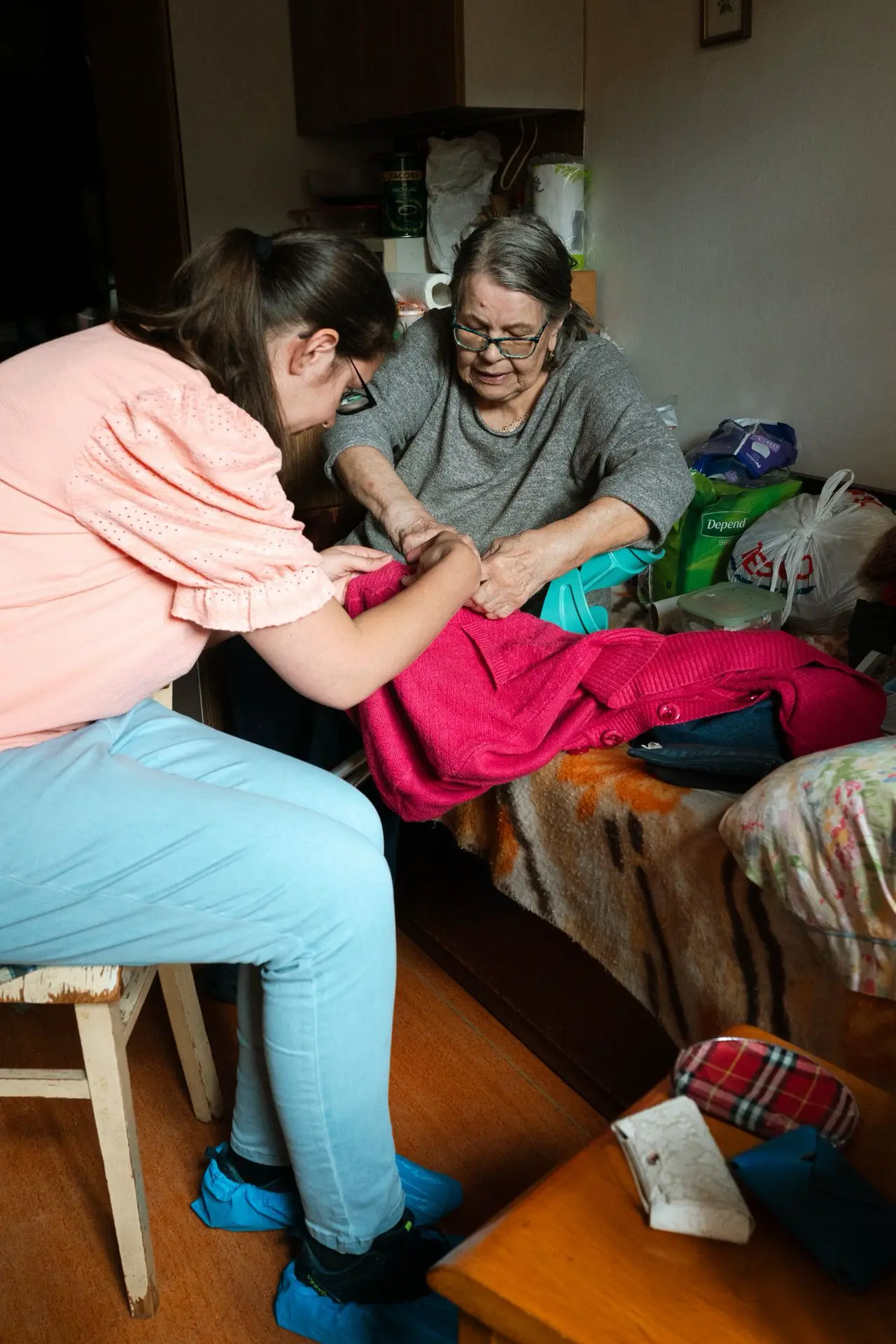
Household tasks
Practical help with cleaning, laundry, tidying and other household activities that help keep the home comfortable and manageable.

Planning, prompts & skill building
Support can include organising the day, prompts or reminders, practising practical skills and working towards greater independence with everyday routines.
Your routine should protect choice, dignity and confidence.
Daily Living Support is personal because it takes place around the routines that shape your day. Good support should understand those details instead of replacing them with someone else's way of doing things.
Timing, preferences, communication and the way tasks are approached should be discussed with you.
Support with sensitive tasks should always be respectful, discreet and guided by your comfort.
Where appropriate, workers can support you to practise, participate and do more for yourself over time.
Regular communication helps keep the arrangement useful when routines, goals or circumstances change.
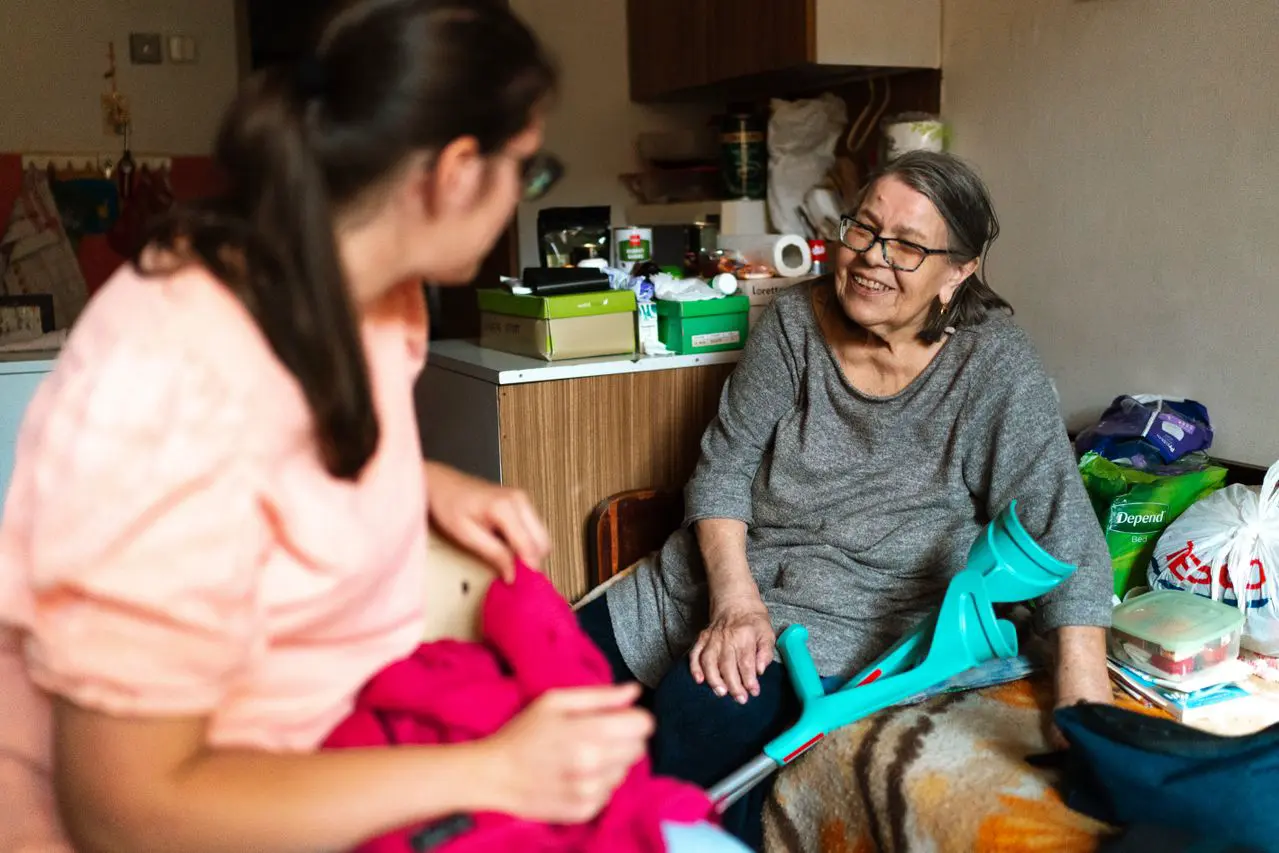
Start with your day. We can work out the details together.
You do not need to arrive with a perfect support schedule. We begin by understanding where help is needed and what a good day looks like for you.
Tell us which parts of the day are difficult.
Morning routines, meals, personal care, household tasks or simply keeping the day organised — begin with what matters most.
We learn your preferences and support needs.
We consider routines, communication, goals, risks, relevant plans and the kind of worker support that may be appropriate.
We make the practical expectations clear.
If we are the right fit, we agree on what support will look like, when it is delivered and how we will communicate.
Support keeps adapting with you.
We check in as routines, goals or circumstances change so the support remains useful, respectful and safe.
Safety comes from the right support, not just more support.
Some daily routines involve higher risks, detailed support plans or specialised worker skills. We review those requirements before confirming whether our team is the right fit.
Plans and professional guidance matter.
Where a participant has specific support, mealtime, behaviour or health-related plans, support should follow the current guidance relevant to the person.
Worker capability must match the task.
More complex or high-intensity tasks may require particular training, competency checks, procedures or clinical oversight before support begins.
Dignity stays central to safety.
Risk management should protect wellbeing while continuing to respect privacy, communication needs, choice and the person's preferred routine.
Not sure whether your daily support needs are within our current scope? Start with a conversation and we can clarify what information is needed.
Talk With Our TeamEveryday support should feel close, clear and easy to reach.
AccessAbility Support Services is based at 31 Cassidy Crescent, Bridgeman Downs QLD 4035. Contact our team to ask whether Daily Living Support is currently available in your suburb or community.
Clear answers make everyday support easier to understand.
Daily Living Support can look different for each person. These are some of the common questions people ask before getting started.
Ask a different question →Assistance with Daily Life is an NDIS Core Supports category for help or supervision with everyday activities. The aim is to help a participant manage day-to-day life and live as independently as possible, in line with their approved plan and support needs.
Depending on the participant's plan, it may include personal care, meal preparation, cleaning, laundry, household routines, prompts, planning and support to build practical daily-living skills.
No. Daily Living Support can provide targeted assistance with everyday tasks and may only be needed at certain times. Supported Independent Living is intended for people with higher support needs who may require support or supervision across much more of the day and night.
Yes. Assistance with Daily Life is commonly delivered in a participant's home, although the exact setting and activities depend on the person's plan, needs and agreed support arrangements.
Generally, no. NDIS funding may pay for disability-related support from a worker, but ordinary living expenses such as groceries, rent, utilities and general household costs remain the participant's responsibility unless a specific NDIS support rule says otherwise.
Yes. Families, nominees, carers and support coordinators can start the conversation. We still keep the participant's own preferences, communication and goals central to the support discussion.
Your NDIS plan shows the support categories and funding available to you. Your NDIS contact, plan manager or support coordinator can help explain your budget, and our team can discuss whether our service may fit the supports that have been approved.
Tell us which parts of the day you would like to feel easier.
You do not need to know the exact NDIS wording. Tell us what you need help with, what you prefer to do yourself and what good support would look like in your everyday life.