A home that works with you. Accessibility and independence, built in.
Specialist Disability Accommodation is housing designed for people with extreme functional impairment or very high support needs. The right home can make everyday routines safer, improve accessibility and help other supports work more effectively.


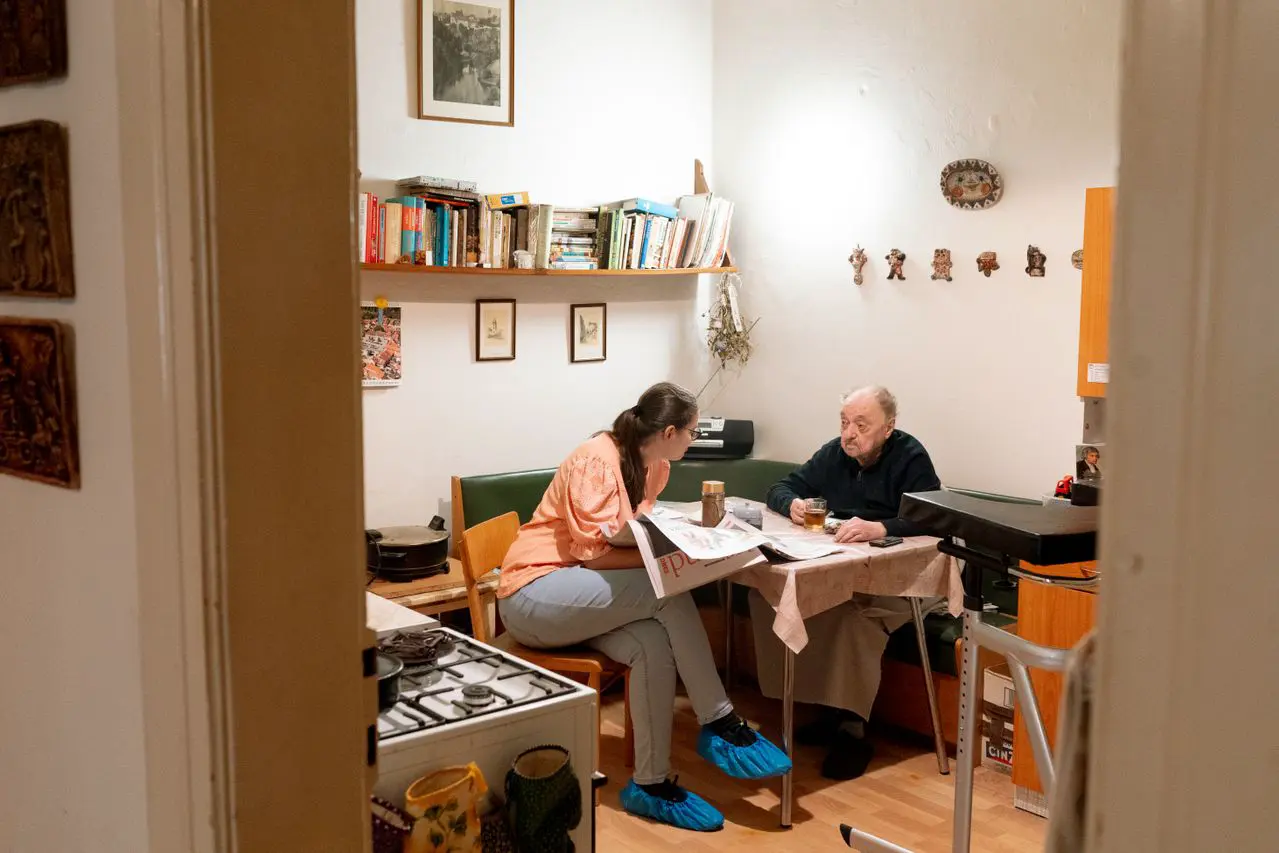
SDA is the housing itself. Personal care, SIL and other supports are funded separately.
SDA is the home — your daily supports are separate.
Specialist Disability Accommodation is purpose-designed housing for eligible NDIS participants whose disability-related housing needs cannot be met through ordinary housing or other home and living options.
SDA can include features such as wider doorways, accessible kitchens, reinforced ceilings for hoists, home automation, backup power or design features that support sensory, cognitive or behavioural needs. It can be an apartment, house, villa, duplex or townhouse.
SDA is designed for people with very significant housing-related support needs.
SDA is not general disability housing. NDIS funding is generally for participants with extreme functional impairment or very high support needs who also meet the SDA needs requirement and NDIS funding criteria.
Ordinary housing does not safely meet your disability needs
You may need specialised physical design, technology or environmental features that standard housing cannot reasonably provide.
Your support needs are very high or your functional impairment is extreme
Your housing needs may be closely connected with mobility, transfers, communication, supervision, sensory needs or other significant daily support requirements.
The right environment could make support safer and more effective
SDA can help create a home where disability supports are delivered more safely, efficiently and with greater independence for the participant.
Eligibility and the SDA category, building type and location in your NDIS plan are determined through the NDIS planning and funding process. We can help you understand what to discuss and what to look for in a suitable option.
Different homes are designed for different disability-related needs.
Your approved SDA category should guide the kind of dwelling you consider. The category is about how the home is designed — not the level of personal care you receive inside it.

Improved Liveability
Housing with improved physical access and design features that may support people with sensory, intellectual or cognitive impairments, including clearer visual contrast and easier supervision where required.

Fully Accessible
Housing with a high level of physical access for people with significant physical disability, including layouts and features designed for wheelchair use and accessible movement throughout the home.

Robust
Strong, durable housing designed to improve safety for the participant and others, with features that can reduce the risk of property damage and help create a safer, calmer living environment.
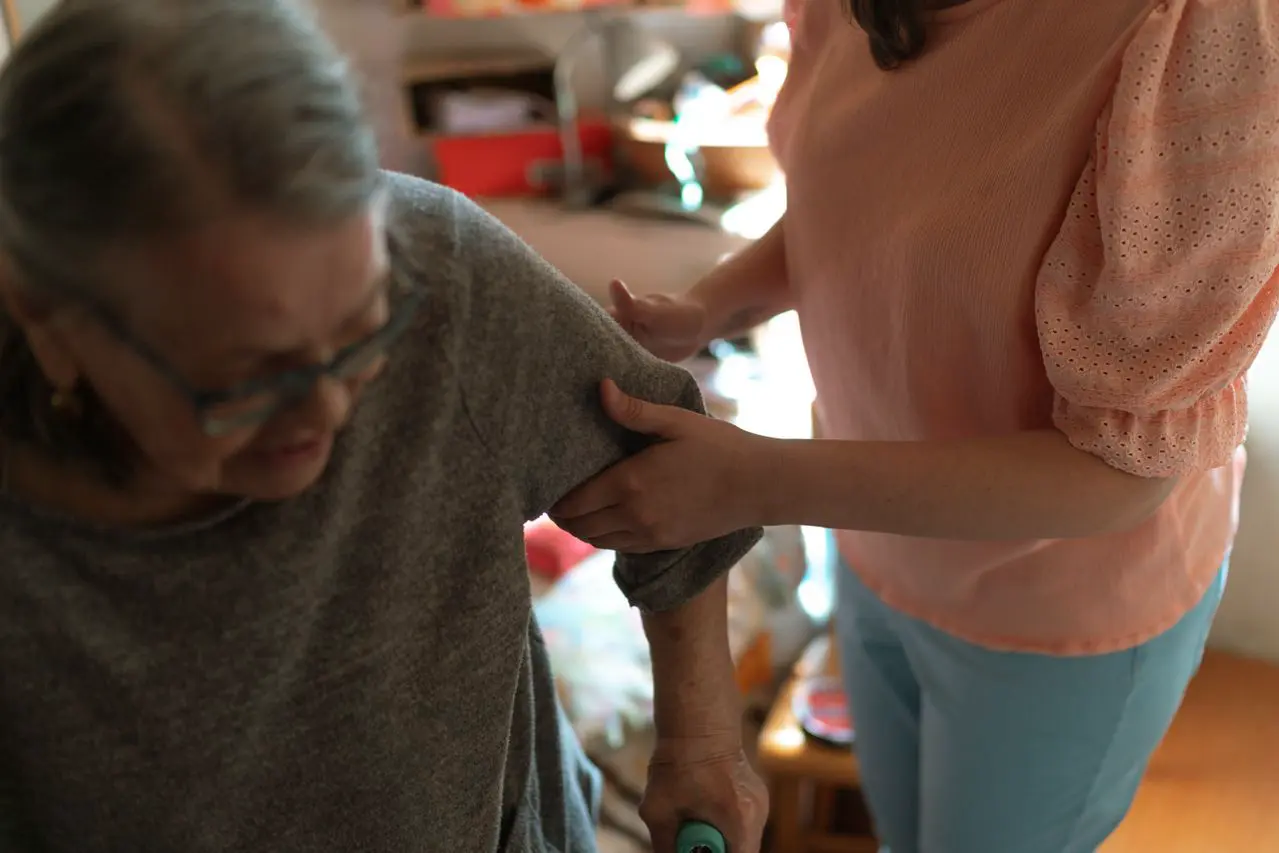
High Physical Support
Housing with very high physical access and infrastructure that may include ceiling hoists, backup power, home automation and communication technology for people requiring high levels of physical support.
The right arrangement should give you clarity, choice and control.
Living in SDA does not mean your housing provider automatically provides all your daily supports. SDA and in-home support funding can sit alongside each other, but they have different purposes.
It pays the SDA provider for the eligible specialist accommodation, not for personal care or daily support.
Many people living in SDA also have SIL or other in-home supports, but those supports are separate from the SDA payment.
Participants generally pay a reasonable rent contribution plus everyday living costs such as electricity and other household expenses.
Housing arrangements, rent, responsibilities and the provider relationship should be clearly documented before you move in.

Start with your approved needs. Then look for the right fit.
The right SDA option should align with your plan, design category, building type, location, support needs and personal preferences. There is no single home that suits everyone.
Review the SDA details in your plan.
Start with the approved design category, building type, location and any other relevant home-and-living information in your NDIS plan.
Look at suitable homes and vacancies.
Consider accessibility, neighbourhood, household composition, privacy, transport, proximity to important people and whether the dwelling feels right for your everyday life.
Confirm the dwelling and provider arrangement.
SDA homes must be enrolled and provided through a registered SDA provider. Check that the dwelling matches your approved SDA needs before making a commitment.
Make sure housing and daily supports work together.
Clarify the SDA service agreement, rent and bills, and how SIL or other in-home supports will be arranged so responsibilities are clear from the start.
A good match is about more than accessibility. It should work for your life.
Take time to understand the dwelling, provider, household arrangement and how the property works with your other supports. A home can meet a design standard and still not be the right personal fit.
The home must be properly enrolled.
SDA homes must be enrolled with the NDIA by a registered SDA provider and meet the applicable SDA standards and requirements.
Your approved category and location matter.
The dwelling should align with the SDA needs recorded in your plan, including the relevant design category, building type and location where applicable.
Understand rent, bills and the service agreement.
SDA participants generally pay a reasonable rent contribution and ordinary living costs. These arrangements should be clear before you move in.
Already have SDA funding or exploring whether SDA may suit your needs? Talk with our team about your current plan, housing goals and what kind of option you are looking for.
Talk With Our TeamLooking for SDA in or around Brisbane? Start with your needs and plan.
AccessAbility Support Services is based at 31 Cassidy Crescent, Bridgeman Downs QLD 4035. Contact our team to discuss your SDA funding, housing goals and current availability within our service scope.
Clear information makes housing decisions easier to navigate.
SDA can involve funding, housing, design categories, service agreements and separate support arrangements. These are some of the questions people commonly ask.
Ask a different question →SDA is specialist housing for eligible NDIS participants with extreme functional impairment or very high support needs. The dwelling is designed with disability-related features that can improve accessibility, independence and the safe delivery of other supports.
SDA is generally for participants with extreme functional impairment or very high support needs who also meet the SDA needs requirement and NDIS funding criteria. It is not a general housing option for every NDIS participant.
No. SDA is funding for the specialist dwelling. SIL is funding for support or supervision with daily living. A participant may have both, but the funding and provider arrangements are separate.
The current SDA design categories are Improved Liveability, Fully Accessible, Robust and High Physical Support. Each category has different design requirements intended to respond to different disability-related housing needs.
SDA funding pays the SDA provider for the eligible specialist accommodation. Participants generally still pay a reasonable rent contribution and day-to-day living costs such as electricity and other household expenses.
To use NDIS SDA funding, your plan needs to include SDA. Your approved funding will usually identify the relevant SDA needs, and the home you choose should align with your plan and eligibility.
Choice depends on your approved SDA needs, available vacancies and what is suitable for your circumstances. SDA often involves living with a small number of other people, while some participants may live alone where that is the best option for their needs.
Tell us what you are looking for — we'll start with the essentials.
You do not need to upload your full NDIS plan or detailed medical reports through the website. A short description of your SDA funding, preferred area, design category or housing goals is enough for us to respond and arrange the next conversation.